7 Common Wild Berry Picking Mistakes That Ruin Your Harvest
A full basket can still be a bad harvest. Berries picked two days early, crushed under their own weight, or pulled from a bush you never truly identified all end up in the same place: the compost heap. Most disappointing foraging trips don't fail because the fruit wasn't there. They fail on a handful of small decisions — what you carry, when you pick, how much you take, and what happens in the first hour at home. These are the seven mistakes that do the most damage, and how to sidestep them.
1. Picking by Color Instead of by Feel and Taste
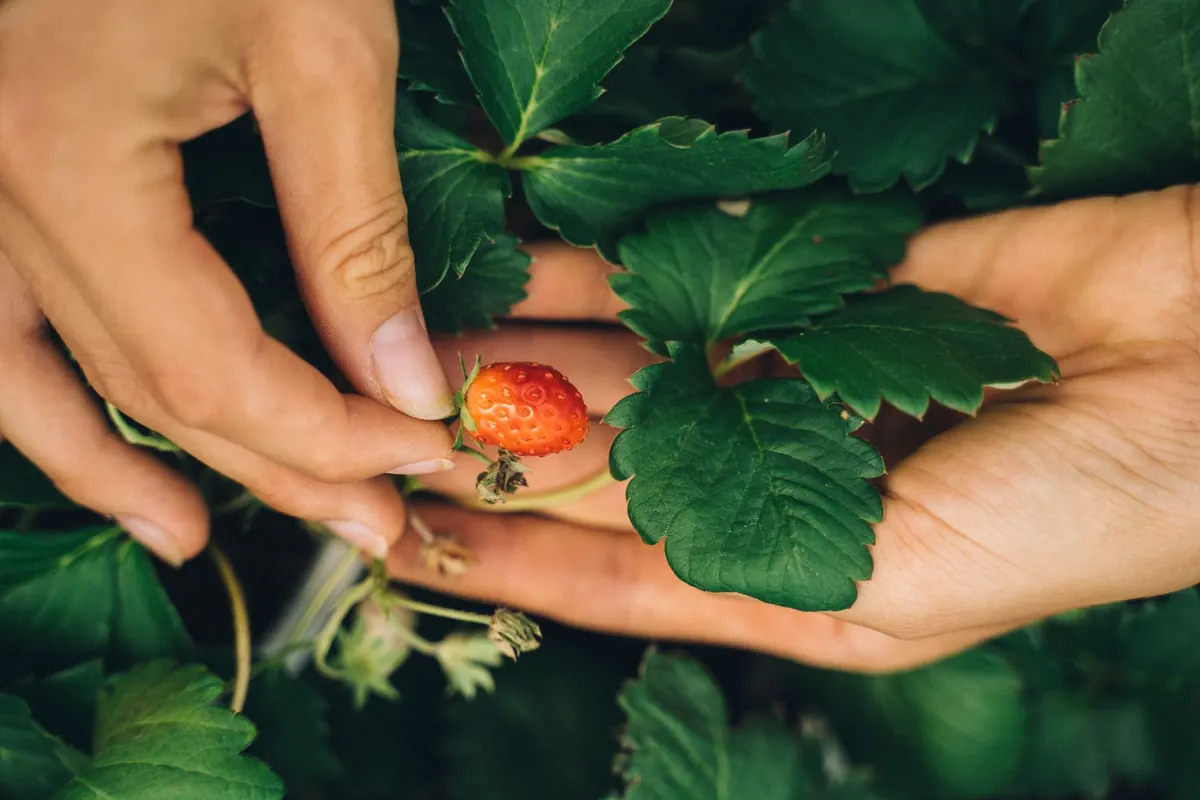
Color lies. Ripeness depends on the species, the variety, how much sun a bush gets, and even which side of it faces south. Blackberries turn black well before they turn sweet. A wild strawberry can blush red for days before it's worth eating. Judging fruit by color alone is how people come home with a pound of beautiful, sour berries.
Learn the signals that actually matter. Ripe fruit releases from the stem with almost no pull — if you have to tug, leave it. Blueberries should roll into your palm when you cup the cluster, with a dry, open star where the flower was; split one open and the flesh should be colored through to the middle. Taste as you go, and taste the same bush again a few days later. If it's tart or drying, it isn't ready. Pick in the cool of the morning, too: berries are firmer and less likely to bruise than they are at three in the afternoon.
2. Working Out the Identification Backwards
The most common identification error isn't a lack of knowledge. It's order of operations. Someone spots a promising bush, decides it's edible, then looks for confirmation. That's how a forager ends up eating something that was never quite right.
Start with the plant, not the fruit. Note the leaf shape and whether leaves grow opposite each other or alternate along the stem. Look for thorns, hairs, or milky sap. Check how the fruit sits on the plant — single berries, loose clusters, or tight sprays — and look at the underside of the leaves, where distinguishing features often hide.
Use three features, not one
Ripe wild berries can resemble each other closely on top while being completely different underneath. Build an identification from at least three separate features that agree: leaf, stem, fruit, habitat, season. If one detail doesn't fit, walk away — there will be another bush. Check a reliable regional field guide, or ask an experienced local forager or botanist to confirm. And keep one hard rule: if you are not certain, do not eat it. A few genuinely dangerous lookalikes grow in the same hedgerows as good eating fruit, so certainty isn't optional. If someone does swallow an unidentified berry, contact a poison control center or a medical professional promptly.
3. Carrying the Harvest in the Wrong Container
More good berries are ruined in the bag than on the bush. Soft fruit is fragile, and a container that works for apples will turn raspberries into jam before you reach the car.
- Plastic grocery bags: no airflow, weight piling up, mold within hours. Keep them for litter, not lunch.
- Deep buckets and pails: fine for firm blueberries and cranberries; a crushing trap for blackberries and raspberries.
- Wide, shallow containers: the right shape for delicate fruit — a flat basket, a shallow tub, or a tray lined with cloth.
- Metal containers in full sun: they heat up fast and cook whatever's inside.
- Anything that held chemicals: don't, even if it's been rinsed.
Fill loosely, stop at about two-thirds, and give the fruit room to breathe. Two shallow trays beat one deep one.
4. Letting Heat and Weight Do the Damage
Berries keep ripening after they're picked, and heat accelerates everything. A tray of raspberries left on a sunny dashboard will be leaking juice before you're out of the parking lot. So will a heavy bag carried against your hip for an hour on the walk back.
Pick in the morning, keep containers out of direct sun, and move the harvest into shade as soon as you can. At home, spread soft fruit in a single layer instead of leaving it piled in the bucket, then refrigerate it. Take only what you can handle in a day; a small haul well cared for beats a big one turned to mush.
5. Washing Too Late — or Not at All
Two opposite mistakes, same result. Washing berries the moment you get them and then storing them wet invites mold and mush, because the fruit never dries properly in a closed container. Eating them straight off the bush, meanwhile, means eating dust, insect eggs, bird droppings, and whatever drifted onto the plant from nearby roads or fields.
Wash only what you're about to use
Leave the rest dry and refrigerated, and rinse a batch when you're ready to eat, freeze, or cook with it. A few minutes in a bowl of cold water does most of the work; a splash of vinegar in the water helps lift surface residue, and a gentle swish beats scrubbing. Drain well, spread on a towel, and pat dry.
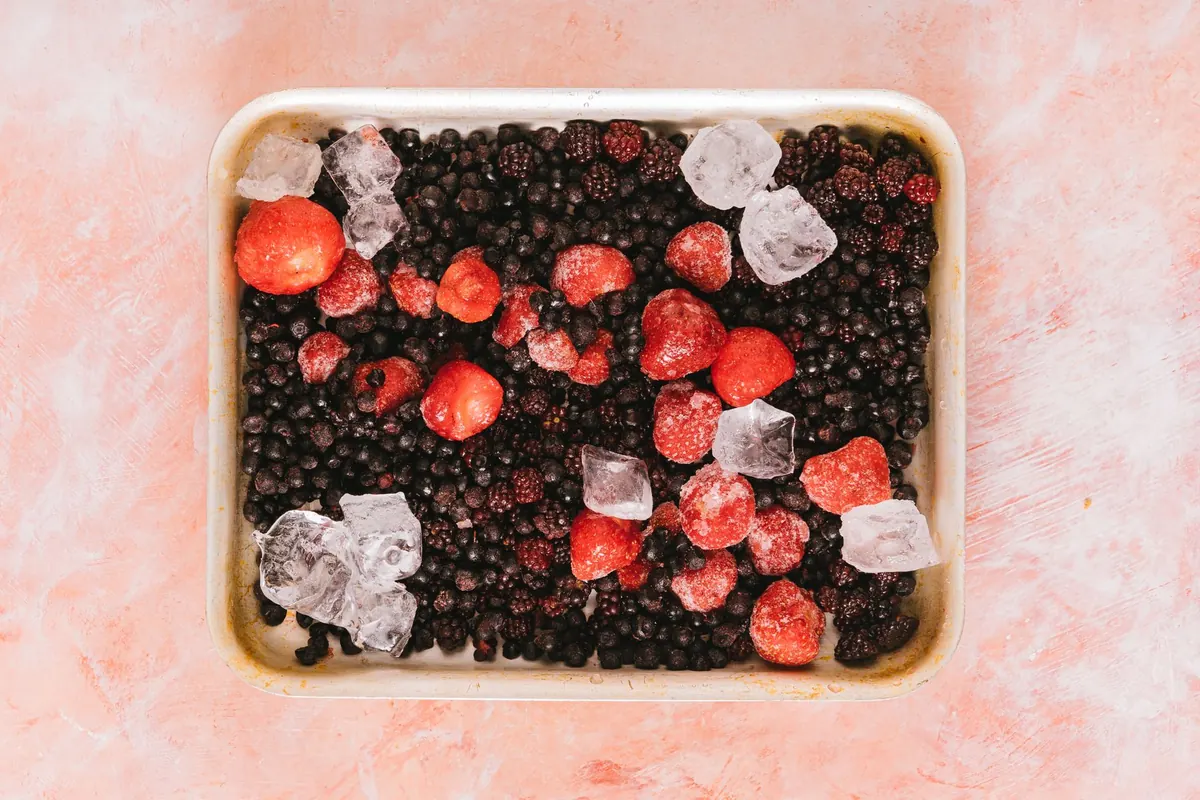
Blueberries carry a whitish bloom on the skin — that's natural and worth keeping, so handle them lightly. Discard any berry that's leaking, moldy, or soft, since one bad berry spreads fast. For freezing, spread dry fruit on a tray first, freeze it, then bag it so the berries stay loose instead of clumping into a block.
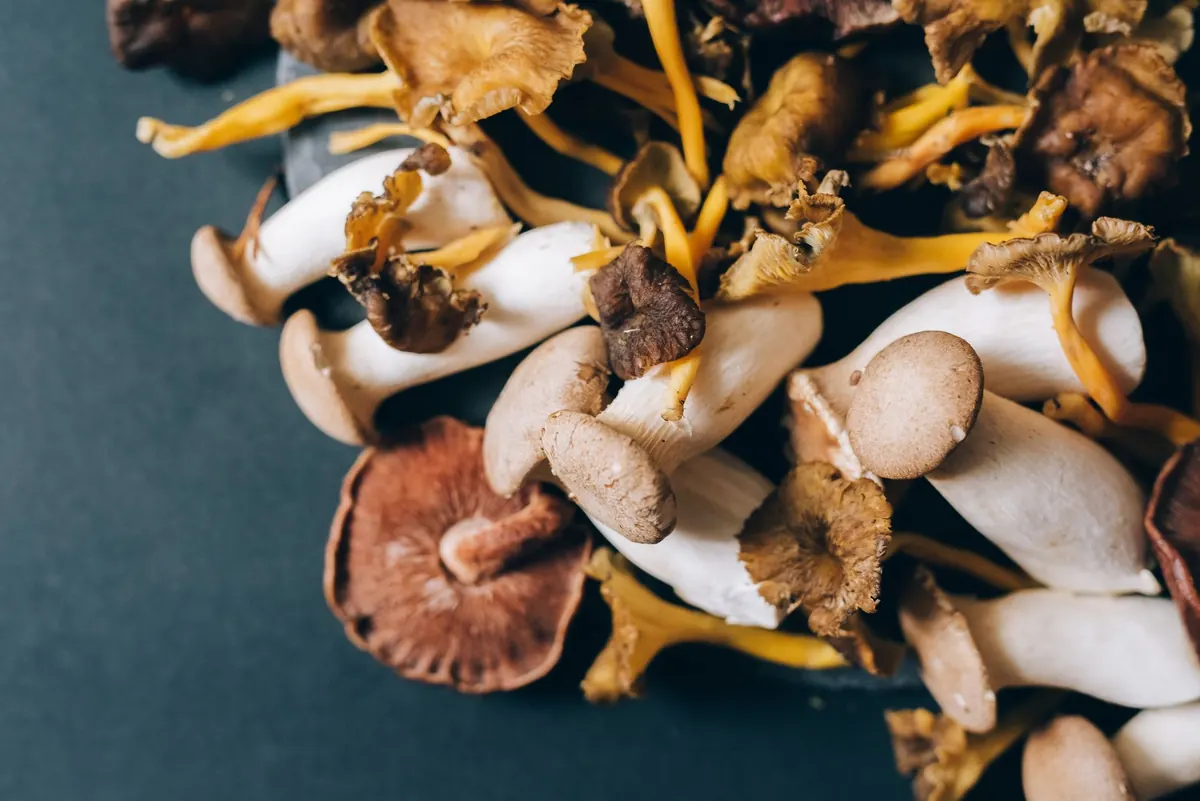
Drying Wild Mushrooms at Home: Dehydrator, Oven, and Air-Drying Methods
A practical guide to drying wild mushrooms in a dehydrator, oven, or open air, with prep steps, dryness...
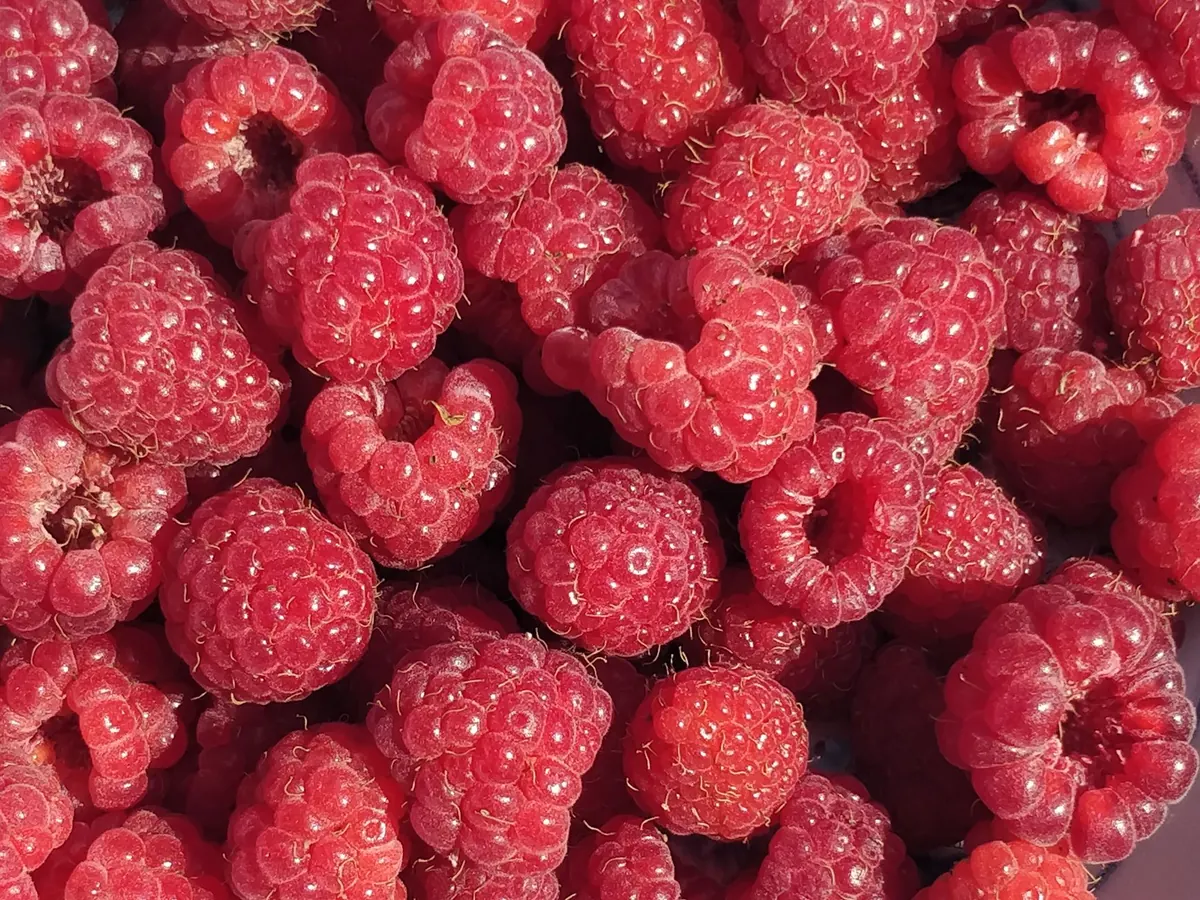
Beginner's Guide to Identifying Wild Raspberries, Blackberries, and Dewberries
Learn to tell wild raspberries, blackberries, and dewberries apart by fruit core, cane habit, leaves,...
About Us