Late Summer Foraging: What to Harvest in August and September
Late Summer Foraging: What to Harvest in August and September
By August, foraging changes character. Spring was about tender leaves and fleeting shoots; early summer gave flowers and soft fruit. Late summer is heavier work: brambles that fight back, hazel thickets, and the first serious mushroom flushes after a warm rain. It's also the most generous stretch of the year, when one long walk can fill a basket with fruit, nuts, and seeds in a single pass.
The catch is timing. Latitude, altitude, and the weather of the past six weeks matter far more than the date on your calendar. A blackberry hedge in the south can be heavy with fruit while the same species two hundred miles north is still in flower. Treat every date below as a window, not an appointment, and let the plants tell you when they're ready.
Read the season, not the calendar
Some broad patterns hold almost everywhere in the northern temperate zone. Southern and low-lying areas run one to three weeks ahead of northern and upland ones, and coastal sites often ripen later than inland sites at the same latitude, because sea air slows the process. A cool, wet summer delays sugar in fruit; a hot, dry August ripens berries fast but can leave nuts small and shrivelled. Mushrooms ignore the calendar entirely.
So the most useful tool you own is a notebook. Walk your patches in July, before anything is ready, and note which hedges flowered heavily, which oaks are loaded, where the ground stays damp. Revisit every week or two. You'll learn your own landscape's schedule better than any chart can teach it, and you'll catch the two or three days when a crop is at its peak rather than a week past it.
Pay attention to microclimates, too. A south-facing hedge above a stone wall may ripen a full fortnight before the same species in a shaded lane. A boggy hollow can hold moisture and produce mushrooms after nearby slopes have dried out. These small differences are what turn a general season into a precise map of where to go.
Berries: the main event
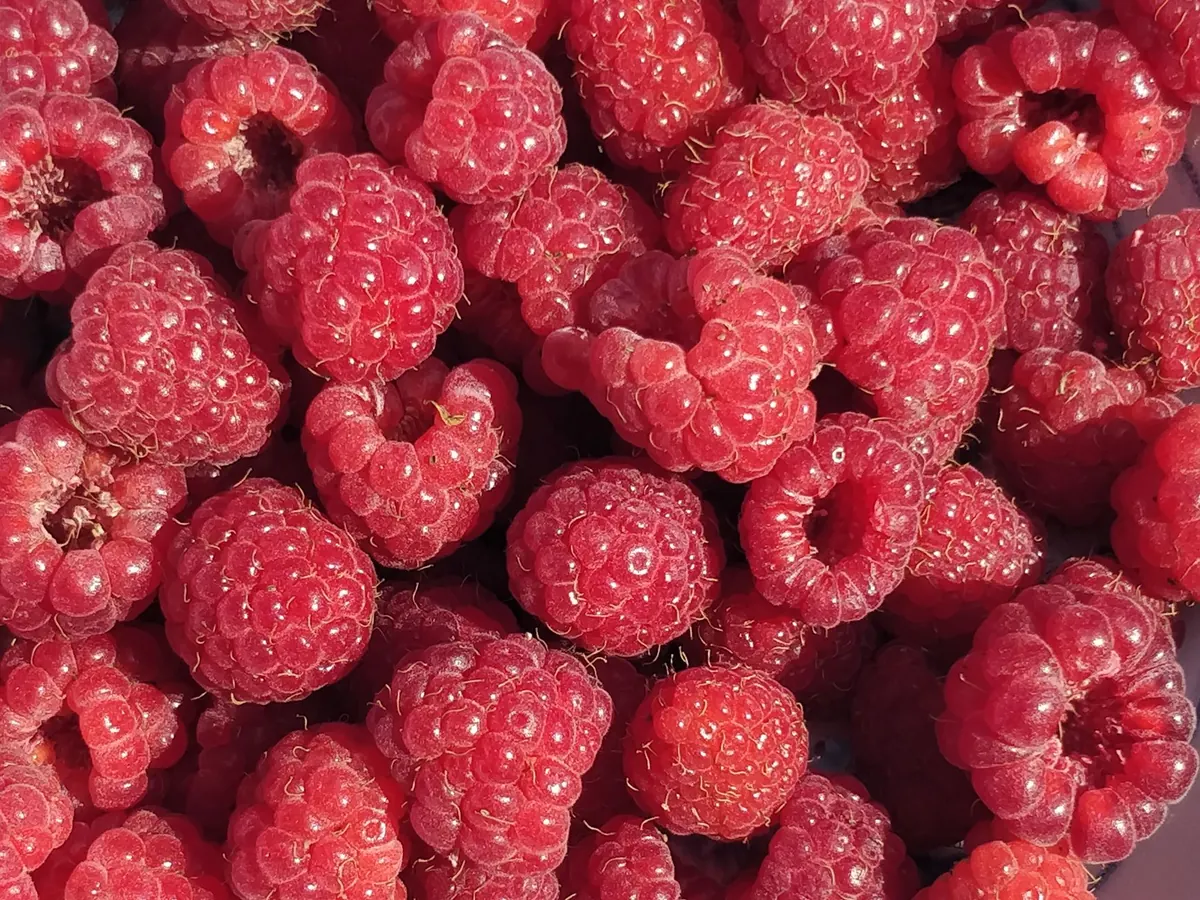
Blackberries carry late summer. Pick fruit that is dull black and releases with the lightest tug; if it needs a pull, it's underripe. In the south, brambles start in late July and run through September; in Scotland, Scandinavia, and on higher ground the season can stretch into October. Rainy spells dilute flavour, so pick after a dry day. The best berries often hang in the shade, slightly lower than the sun-ripened ones, and they are worth the scratches.
Elderberries follow close behind. Take whole umbrellas when the berries are purple-black, then strip them at home. Cook elderberries before eating them — raw berries and stems upset the stomach. Rosehips come good from September, and their flavour improves after a light frost; halve them and scrape out the hairy seeds, which irritate the mouth and throat. Use them for syrup, jelly, or dried tea. Rowan berries, bitter but abundant, make a fine jelly to serve with game or cheese; crab apples and sloes arrive alongside them, and the first damsons and bullace can be picked from hedgerows in old orchard country.
Don't overlook the less fashionable fruits. Sea buckthorn is a coastal treasure, its orange berries packed with vitamin C and best frozen briefly before stripping from the branch. Wild plums, damsons, and bullace reward a little patience. Hips and haws can be combined in syrups and fruit leathers. Even the humble bramble leaf can be dried for tea, though the fruit is the real prize.
Reading a hedge
A good hedge is a ladder of ripening. Start at the sunlit top and outer edge, where fruit colours first, then work inward. Blackberries, elder, and rosehips often grow together, so carry separate bags or containers: soft fruit bruises, and elderberries stain everything they touch. A shallow basket or a rigid tub lined with a cloth keeps berries in better shape than a deep sack.
Nuts and seeds: the quiet abundance
While berries shout for attention, nuts reward patience. Hazelnuts are ready when the husks turn yellow-green and the nut inside is brown at the base; if the kernel is still milky, wait. Squirrels and jays will strip a thicket fast, so check often and pick a little early if you plan to dry them. Acorns from oaks are abundant but need leaching to remove tannins before eating; sweet chestnuts, ready from late September into October, are easier, roasted or ground into flour. Beech mast and walnuts are worth watching where they grow, though walnut trees are often planted rather than wild.
Seeds matter, too. Wild fennel, caraway, and coriander gone feral can be gathered as they brown. Dried seed heads of meadowsweet and yarrow are useful for teas and syrups, but never take more than a small share. Leave the rest for birds and for next year's plants.
Mushrooms: after the rain
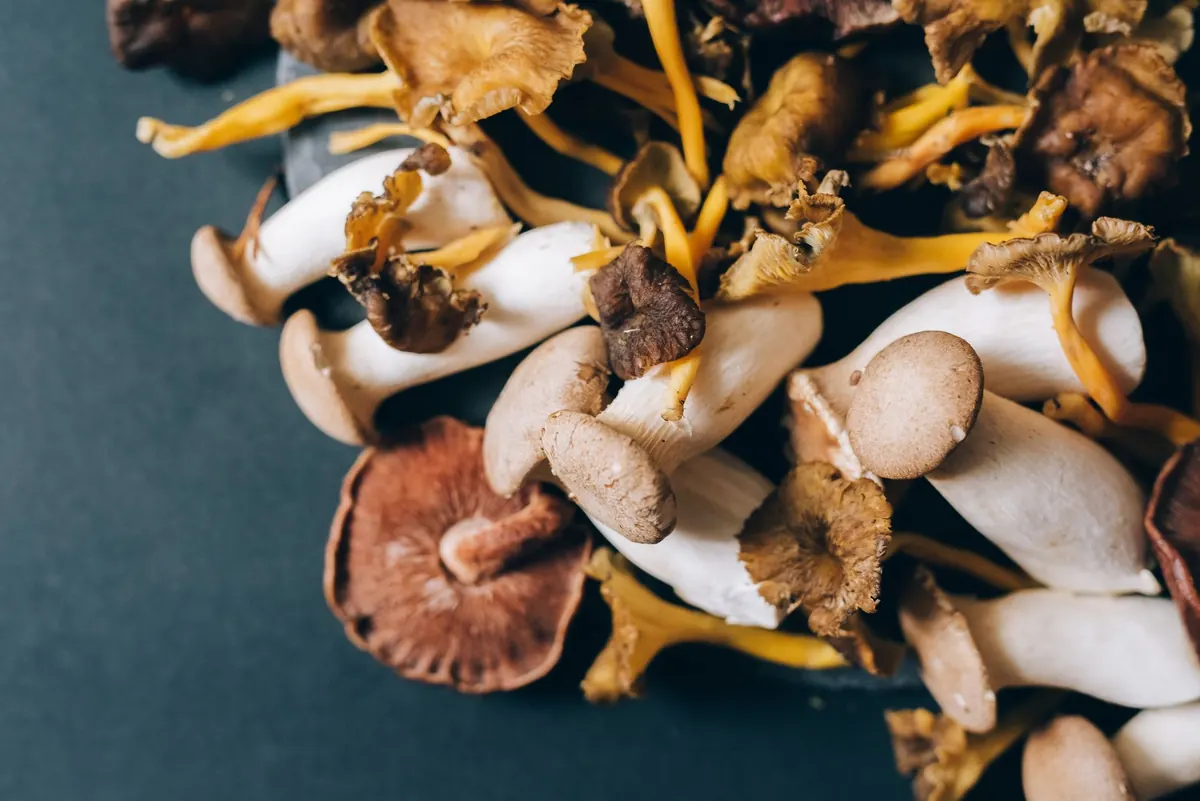
The first serious mushroom flushes arrive after a warm, soaking rain followed by humid days. Chanterelles appear in mossy woodland, golden and apricot-scented; ceps and other boletes push up under birch, oak, and pine; puffballs can be found in pasture. But mushrooms are the one category where a mistake can be serious. Never eat a mushroom you cannot identify with complete certainty, and learn from an experienced forager or a local mycological group rather than an app or a photograph.
Pick one or two specimens, turn them over, check the gills, pores, stem, smell, and habitat. If anything is ambiguous, leave it. A full basket is not worth a night in hospital.
Cut mushrooms cleanly rather than pulling them, use a basket or paper bag so spores can drop, and keep species separate. Avoid picking from roadside verges, industrial sites, or sprayed farmland. When in doubt, admire and move on.
Safety, law, and etiquette
- Get permission. Most land belongs to someone. Foraging is often allowed for personal use, but rules vary; nature reserves and SSSIs may prohibit it.
- Know protected species. Some plants and fungi are legally protected, and picking them can be an offence.
- Identify with certainty. Use at least two reliable sources, and cross-check with a local expert for anything new.
- Take only what you need. Leave plenty for wildlife and for regeneration. Never strip a patch bare.
- Respect the habitat. Close gates, don't trample rare plants, and avoid damaging trees or hedges when reaching for fruit.
- Wash and process quickly. Berries and mushrooms spoil fast in warm weather; refrigerate or preserve them the same day.
From basket to kitchen
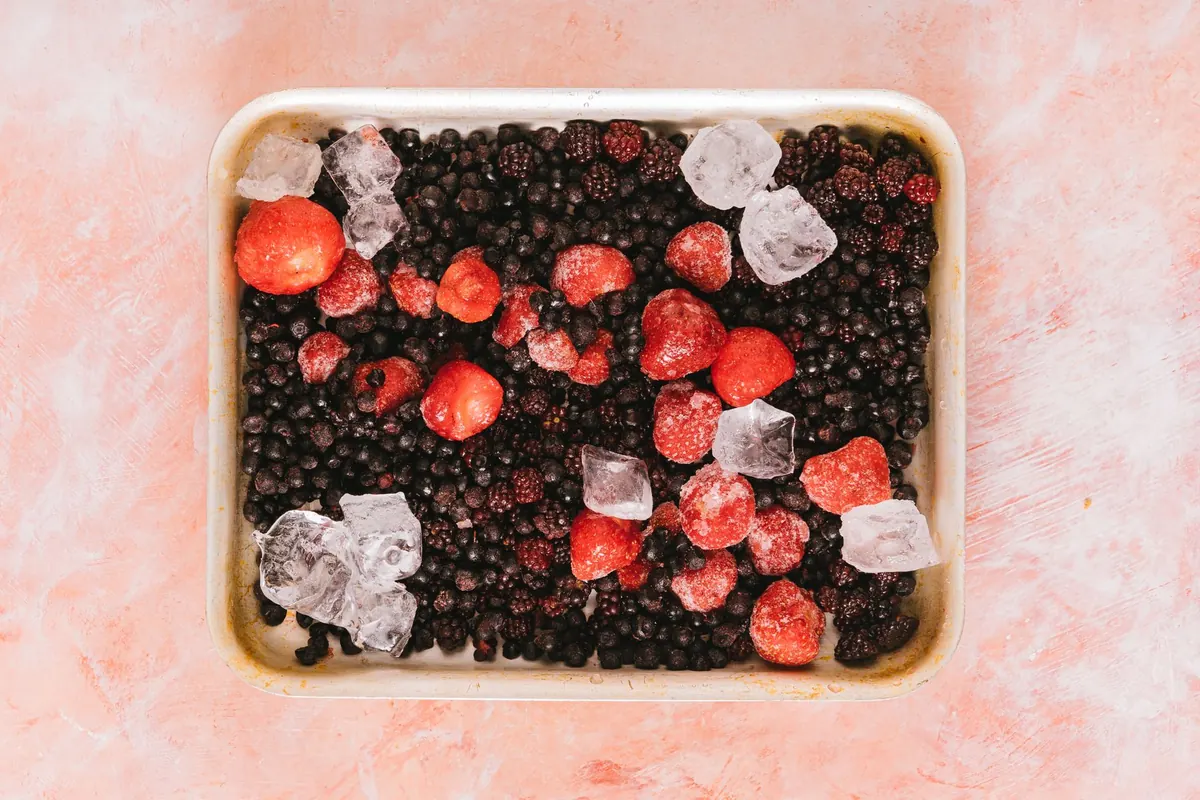
Late summer gluts are best handled in small batches. Blackberries freeze well in a single layer before bagging, so they don't clump. Elderberries and rosehips become cordials, ketchups, and jellies; hazelnuts dry in a warm, airy room and keep for months. Mushrooms are best cooked soon, or dried for winter stews. Label everything with the date and place, and keep a note of what worked. Next August, your own records will be more valuable than any guidebook.
The season is short and shifting, but that is part of its pleasure. Go out often, carry more containers than you think you need, and let the hedgerows set the pace. By the time the first frosts arrive, you'll have a pantry — and a sharper eye — ready for winter.
Photo: JÉSHOOTS / Pexels
Drying Wild Mushrooms at Home: Dehydrator, Oven, and Air-Drying Methods
A practical guide to drying wild mushrooms in a dehydrator, oven, or open air, with prep steps, dryness...
Beginner's Guide to Identifying Wild Raspberries, Blackberries, and Dewberries
Learn to tell wild raspberries, blackberries, and dewberries apart by fruit core, cane habit, leaves,...
About Us